
Laser rejuvenation belongs to radical methods, but still does not imply such serious intervention as with a scalpel. The penetration of the beam helps to combat wrinkles, acne, pigmentation or scars. What should those who decide to undergo it know about the procedure?


The evolution of aesthetic medicine has transformed how we approach clinical skincare, shifting away from aggressive interventions toward highly precise, energy-based therapies. For patients navigating the intense climate of the UAE, maintaining skin vitality requires more than topical solutions; it demands advanced interventions that operate actively at a cellular level. Laser treatments have become the gold standard in modern dermatology, offering customizable solutions that can address everything from superficial sun damage to deep dermal scarring. By understanding the intricate biology of the skin and how it interacts with specific light frequencies, our clinical team can orchestrate profound structural improvements. This scientific precision allows us to safely remodel collagen, effectively erasing signs of aging and environmental damage, while utilizing our targeted laser treatments to restore a youthful, resilient complexion without compromising the skin’s natural protective functions.
How Does a Laser Work?
At its core, dermatological laser therapy relies on the principle of selective photothermolysis. This means the device emits a highly concentrated beam of light at a specific wavelength, which is absorbed by a targeted chromophore in the skin—such as melanin (pigment), hemoglobin (blood vessels), or water in the dermal tissue. Upon absorption, the light energy converts to heat, safely destroying the target or stimulating fibroblasts to produce new collagen and elastin. Given the diverse Fitzpatrick skin types prevalent in the UAE, utilizing the right wavelength—such as Nd:YAG or Pico technology—is crucial to safely treating darker skin tones without thermal damage. To explore how we customize these energy settings for your specific complexion, learn more about our advanced laser technologies.
Before committing to any cosmetic procedure, understanding the underlying science and expected outcomes is essential for making an informed decision. While daily topical regimens offer superficial improvements, utilizing advanced light energy allows dermatologists to target deep pigmentation, stubborn acne scars, and fine lines directly at their source. For patients ready to experience these transformative, cellular-level benefits, our comprehensive laser facial rejuvenation protocols utilize cutting-edge technology to safely restore a flawless, youthful complexion with minimal downtime.
How to Prepare For Laser Resurfacing?
Proper preparation is paramount to achieving optimal results and minimizing complications, especially in a high-UV environment like the UAE. We mandate that patients strictly avoid direct sun exposure and tanning beds for at least four weeks prior to their session. Additionally, active topical ingredients such as retinoids, AHAs, and BHAs must be paused five to seven days before the procedure to prevent hypersensitivity. Our clinical protocols also require starting a rigorous hydration regimen and applying a medical-grade SPF 50+ daily. Before scheduling your session, we require a comprehensive pre-treatment skin assessment to ensure your skin barrier is healthy enough to undergo resurfacing safely.
While deep fractional treatments are excellent for structural remodeling, many patients seek an immediate, red-carpet radiance with absolutely zero downtime. To achieve instant purification, diminished pore size, and a luminous glow before a major event, our advanced Hollywood carbon laser treatment offers the perfect quick solution. This specialized procedure utilizes a topical carbon layer to absorb impurities, which are then precisely vaporized by the laser to instantly refresh and smooth your skin.
Beyond avoiding the sun and pausing active skincare ingredients, a successful laser resurfacing treatment relies heavily on a deeply personalized pre-conditioning phase. In the UAE, where environmental stressors constantly challenge the skin barrier, our dermatologists often recommend a two-to-four-week preparatory regimen utilizing medical-grade tyrosinase inhibitors. By proactively suppressing melanin production before the laser energy is applied, we significantly reduce the risk of post-inflammatory hyperpigmentation (PIH)—a common concern for Middle Eastern and darker skin types. This meticulous clinical approach ensures that the cellular environment is stabilized, allowing the laser to precisely target imperfections without triggering an overactive pigment response. Ensuring your skin is optimally prepped not only maximizes the therapeutic benefits but also drastically shortens your downtime, which is why we emphasize comprehensive skin rejuvenation planning prior to any energy-based procedure.
Types of Peeling
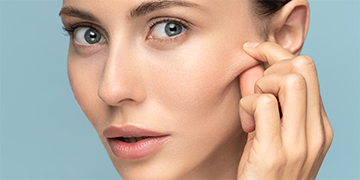
While laser resurfacing uses light energy to ablate tissue, deep exfoliation and cellular turnover can also be achieved through controlled chemical solutions. In aesthetic medicine, we categorize peels by their penetration depth: superficial, medium, and deep. Superficial peels gently exfoliate the epidermis to brighten the skin, making them excellent “lunchtime” procedures. Medium peels reach the upper dermis to treat deeper melasma and acne scarring, while deep laser peels offer profound tissue remodeling. Depending on your aesthetic goals and acceptable downtime, our specialists will guide you toward the ideal modality, integrating customized chemical peel therapies to address sun damage and uneven texture common in this region.
Play Video
What are The Disadvantages of the Procedure?
Transparency is a fundamental pillar of our E-E-A-T standards at DMC. While laser resurfacing is highly effective, it does carry potential drawbacks if not managed correctly. The most significant risk, particularly for Middle Eastern skin types, is Post-Inflammatory Hyperpigmentation (PIH)—a temporary darkening of the skin caused by thermal trauma. Other temporary disadvantages include expected downtime involving redness, swelling, and epidermal peeling that can last from a few days to two weeks. By utilizing state-of-the-art cooling systems and precise wavelength selection, we actively mitigate these risks, but we also offer targeted clinical hyperpigmentation treatments should your skin require additional stabilization post-treatment.
Your family’s at-home dental hygiene habits are crucial for the long-term health and appearance of their smiles. However, regular trips to your pediatric dentist are equally important.
Rehabilitation After Laser
The post-procedure rehabilitation phase is just as critical as the treatment itself. Following laser resurfacing, your skin’s epidermal barrier is temporarily compromised, making it highly vulnerable to the harsh climate in Dubai and Abu Dhabi. Strict sun avoidance is absolutely mandatory; patients must wear broad-brimmed hats and reapply physical sunscreens diligently. Your daily routine must pivot entirely to barrier repair, utilizing deeply hydrating, fragrance-free ceramides and hyaluronic acid to soothe thermal zones and accelerate cellular regeneration. To ensure your skin heals beautifully and safely, we strongly advise exclusively using clinically vetted post-procedure skincare products prescribed by your DMC dermatologist during the recovery window.
Book an Appointment
It’s easy and free!
Tags:cosmetologyhealth