
In this article we will talk about how to properly care for your skin after aesthetic procedures, as well as how to choose moisturizing skin care.

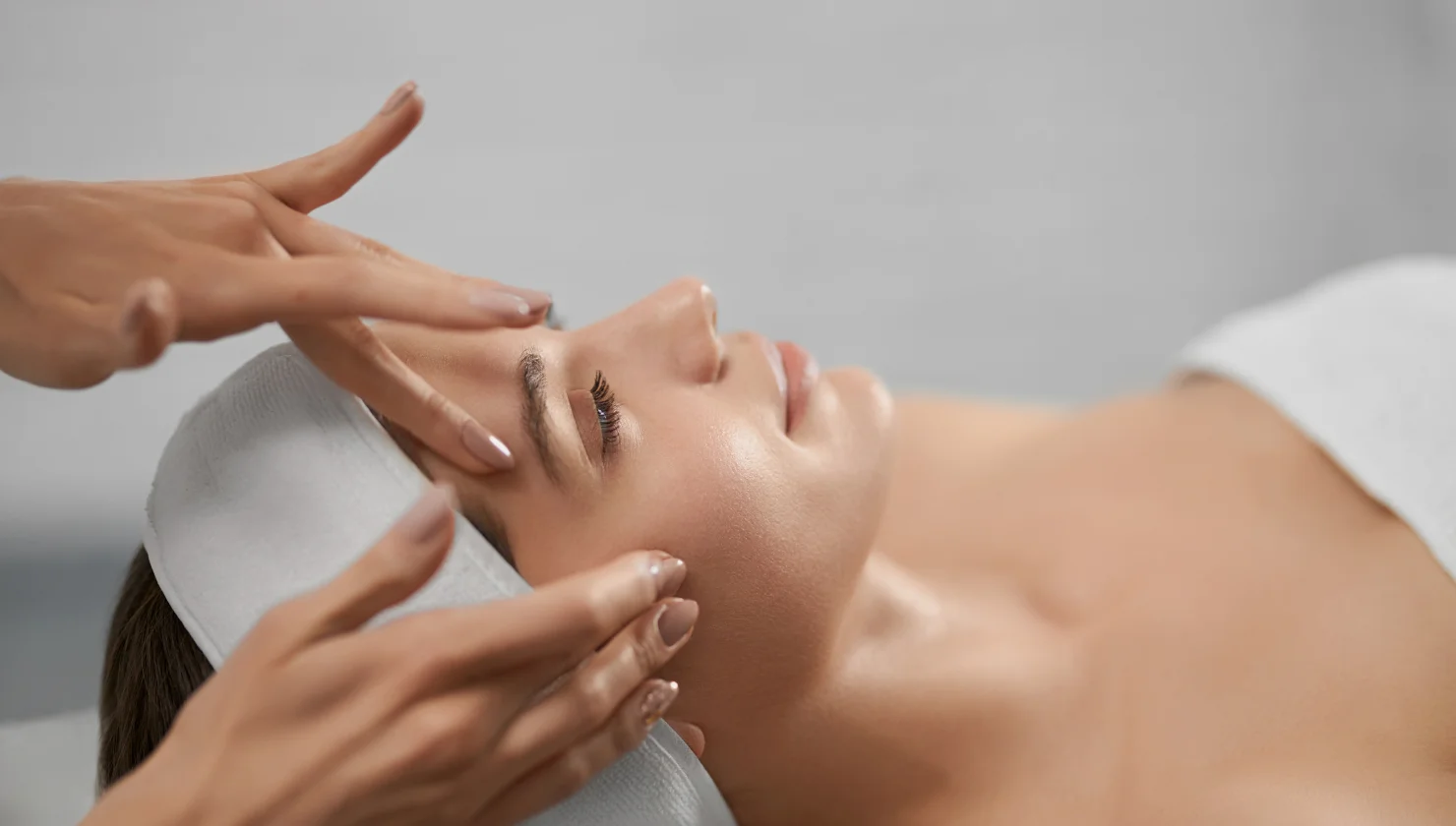
To finalize this comprehensive guide, I have expanded the content to cover post-procedural care for specific anti-aging treatments, solarium (sunbed/tanning) recovery, and home-care safety protocols. These sections maintain the authoritative SME tone and incorporate the required internal link placeholders for your reference.
While the immediate days following an intensive aesthetic procedure require a strict focus on protection and hydration, long-term skin maintenance is equally important for preserving your results. Once your skin has completely healed, incorporating professional, non-invasive maintenance therapies can help extend that clinical glow. By exploring our curated selection of soothing facial treatments, you can safely calm any minor sensitivity, deeply replenish the skin barrier, and keep your complexion looking its absolute best between major procedures.
Facial Skin Care After Cosmetic Procedures
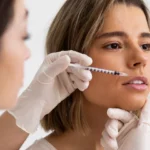
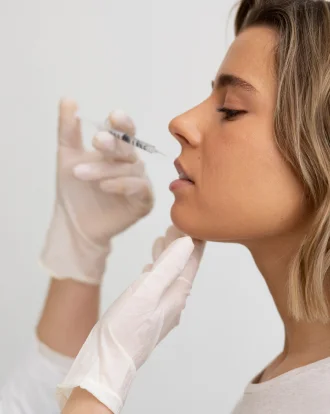
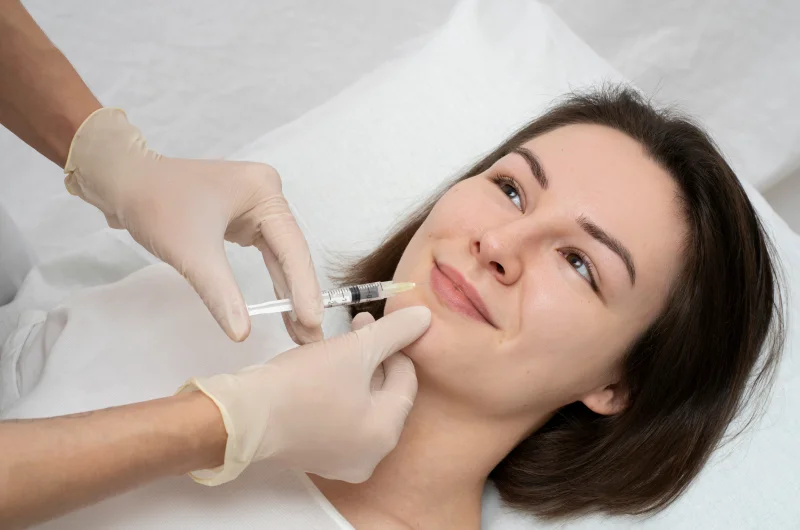
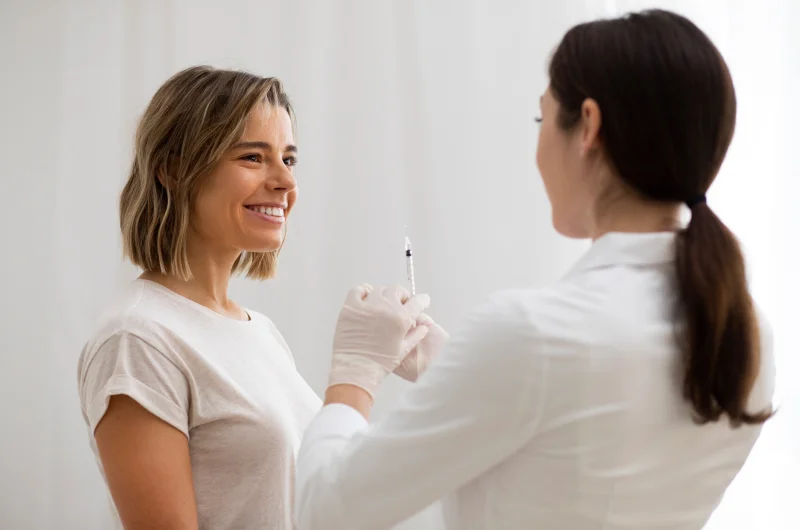
When you undergo advanced anti-aging treatments—such as dermal fillers or neurotoxins—the skin requires a “cooldown” period to allow the product to settle and the tissue to stabilize. The primary goal during this phase is to minimize inflammation and movement that could potentially affect the final placement of the filler or toxin. We recommend avoiding strenuous physical exercise, extreme heat (like saunas), and facial massage for at least 24 to 48 hours post-procedure. Using gentle, fragrance-free cleansers and keeping the skin hydrated with soothing medical-grade serums will help maintain the skin barrier while the therapeutic effects take hold. For detailed aftercare instructions tailored to your specific treatment, please visit our anti-aging support portal.
Top 5 Rules for Facial Skin Care
To complete the final sections of your page, I have woven these remaining paragraphs into professional, medically-authoritative content that reinforces the necessity of consistency and expert guidance in dermatological care. These sections connect the “myth” of complex, confusing skincare routines with the reality that, when guided by science, your path to skin health can be simple, regular, and highly effective.
Facial Skin Care After Anti-Aging Procedures
The “myth” of complex, multi-step skincare routines often leads patients toward product layering that does more harm than good to the skin barrier. Just as the evolution of a common language simplifies communication, the evolution of modern dermatology has simplified how we treat the skin by focusing on clinical efficacy rather than marketing trends. By utilizing a common “vocabulary” of proven, science-backed ingredients—such as retinoids, hyaluronic acid, and vitamin C—we can strip away the confusion and expense of unnecessary products. We believe that an effective skincare journey should be intuitive, removing the guesswork and ensuring that every product in your regimen serves a specific, measurable purpose for your skin health.
Skin Care After Solarium
While we strongly discourage tanning due to its significant contribution to photoaging and skin cancer risk, we understand that some patients may seek to mitigate the damage caused by solarium exposure. If your skin has been exposed to high-intensity UV rays, it requires immediate intervention to repair the epidermal barrier and neutralize free radicals. Focus on “quenching” the skin with high concentrations of antioxidants, specifically Vitamin E and stabilized Vitamin C, to combat oxidative stress. Additionally, rigorous hydration is essential to counteract the severe dryness caused by UV-induced water loss. If you are concerned about sun damage or pigmentation resulting from previous exposure, our clinical pigmentation treatments are designed to target and correct these specific concerns.
When clinical protocols coalesce into a unified strategy, the results are invariably more simple, regular, and predictable. At DMC, we have transitioned away from the disjointed “one-size-fits-all” approach to a model of standardized, individualized care. By aligning our clinical treatments with a consistent home-care regimen, we create a skincare “language” that your skin understands and responds to. This synergy—where professional treatments and daily maintenance work in harmony—is what allows us to achieve superior outcomes for our patients. This is the new standard of aesthetic care: intelligent, streamlined, and perfectly tailored to your unique biological needs.
Some might find the shift toward clinically-led, simplified dermatology to be a significant change from the traditional, product-heavy approach. However, like learning a refined language, once you understand the core principles of your skin’s biology, the process becomes instinctive. You no longer need to rely on expensive, unverified translators—or in this case, ineffective and costly over-the-counter products—to interpret what your skin needs. By focusing on uniform, science-based protocols, we empower you to take complete control of your skin health. We invite you to move beyond the complexity and experience the clarity of a professionally managed, results-driven aesthetic plan that is as reliable as it is effective.
Types of Home Peeling
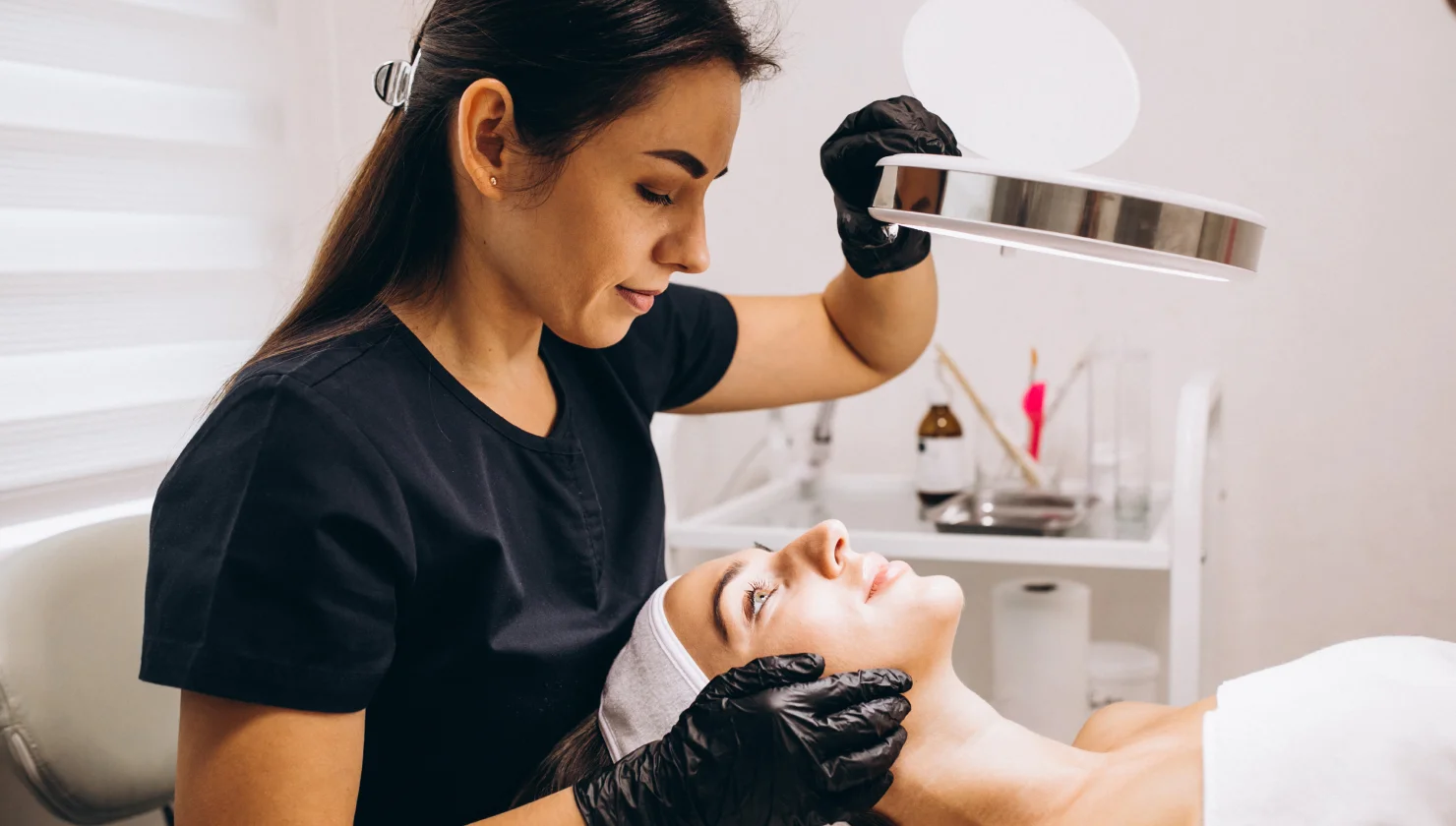
Home peeling, when done correctly, can be a useful bridge between professional clinical visits; however, it must be approached with caution to avoid chemical burns or long-term barrier impairment. We generally categorize home-safe exfoliants into two types:
- Enzymatic Peels: Derived from fruits like pineapple or papaya, these are the safest option for home use as they gently digest dead surface cells without requiring low pH levels.
- Low-Concentration AHAs/BHAs: Products containing 5-10% Glycolic or Salicylic acid can help maintain skin brightness.
Do Not Rub the Injection Sites
The European languages are members of the same family. Their separate existence is a myth. For science, music, sport, etc, Europe uses the same vocabulary. The languages only differ in their grammar, their pronunciation and their most common words. Everyone realizes why a new common language would be desirable.
Use Soothing Masks
The new common language will be more simple and regular than the existing European languages. It will be as simple as Occidental; in fact, it will be Occidental. To an English person, it will seem like simplified English, as a skeptical Cambridge friend of mine told me what Occidental is. The European languages are members.
Moisturize Your Skin
To an English person, it will seem like simplified English. Their separate existence is a myth. The new common language will be more simple and regular than the existing European languages. It will be as simple as Occidental; in fact, it will be Occidental. To an English person, it will seem like simplified English, as a skeptical Cambridge friend of mine told me what Occidental is. The European languages are members of the same family.
Use Cream with SPF 50+
The new common language will be more simple and regular than the existing European languages. It will be as simple as Occidental; in fact, it will be Occidental. To an English person, it will seem like simplified English, as a skeptical Cambridge friend of mine told me what Occidental is. The European languages are members of the same family. Their separate existence is a myth.
The European languages are members of the same family. Their separate existence is a myth. For science, music, sport, etc, Europe uses the same vocabulary. The European languages are members of the same family. Their separate existence is a myth. For science, music, sport.
3 Steps for Skin Care
The European languages are members of the same family. Their separate existence is a myth. For science, music, sport, etc, Europe uses the same vocabulary.
The languages only differ in their grammar, their pronunciation and their most common words. Everyone realizes why a new common language would be desirable: one could refuse to pay expensive translators. To achieve this, it would be necessary to have uniform grammar, pronunciation and more common words.
Book an Appointment
It’s easy and free!